Distribution and Installation of Olive Oil Extraction Plants
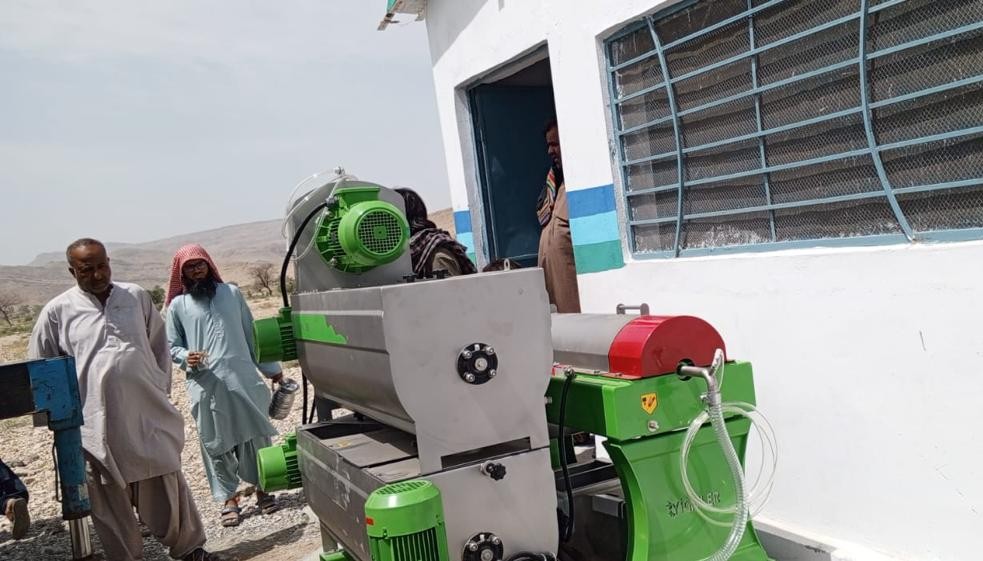
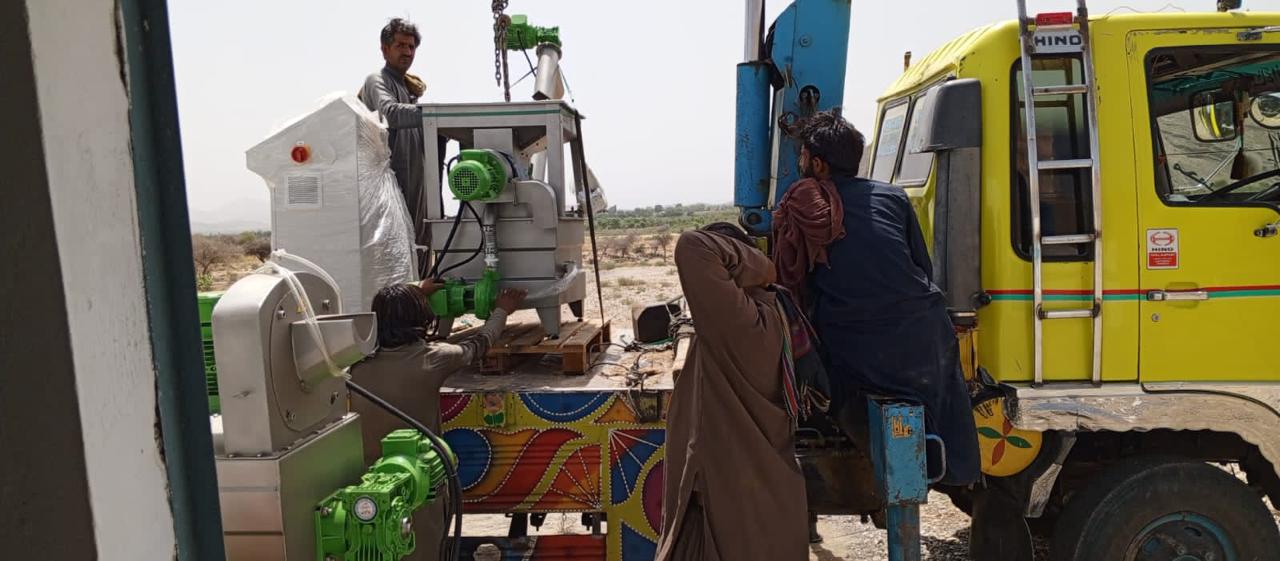
Under the JFPR grant of the Balochistan Water Resources Development Sector Project (BWRDSP), olive oil extraction plants are being distributed and installed in the Zhob River Basin and Mula River Basin to promote commercial olive cultivation, enhance value addition, and increase farm incomes. These interventions are aligned with ADB’s broader goals of agricultural diversification, watershed management, and rural livelihood improvement.
Distribution and Installation of Olive Oil Extraction Plants:
1.
Strategic Placement
· Zhob River
Basin: Olive oil extraction units are being installed near cluster plantations
in Zhob Division, where wild olive pockets have been grafted and commercial
plantations established.
· Mula River
Basin: Similar installations are planned in Khuzdar and adjoining valleys,
leveraging new irrigation schemes under BWRDSP to support olive orchards.
2. Plant
Specifications
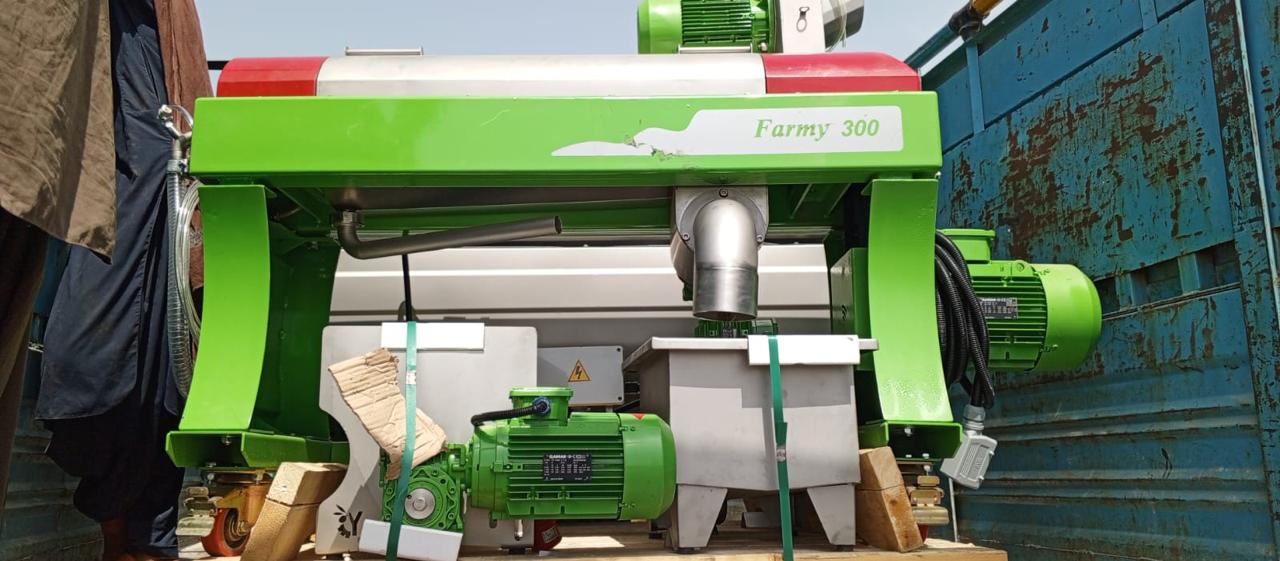
· Extraction
plants typically have 350 kg/hour processing capacity, suitable for
medium-scale farmer cooperatives.
· Units include storage,
filling, and testing equipment, ensuring quality control and compliance with
international standards.
3.
Distribution Mechanism
· Plants are
distributed under a matching grant system (50:50 cost-sharing) between project
funds and farmer groups/private sector.
· Priority is
given to Water User Associations (WUAs) and farmer cooperatives formed under
BWRDSP, ensuring community ownership and sustainability.
Expected Outcomes
· Value Addition:
Farmers can process olives locally, reducing post-harvest losses and increasing
profitability.
· Employment
Generation: Installation and operation of plants create jobs for youth and
women, aligning with JFPR’s poverty reduction goals.
· Import
Substitution: Local olive oil production reduces Pakistan’s dependence on
imported edible oils, saving foreign exchange.
· Institutional
Strengthening: WUAs gain technical capacity in managing agro-processing units,
fostering long-term sustainability.